
Step-Up Verification



Role: UX/UI Designer
Platforms: App & Web
Tools: Sketch, Illustrator
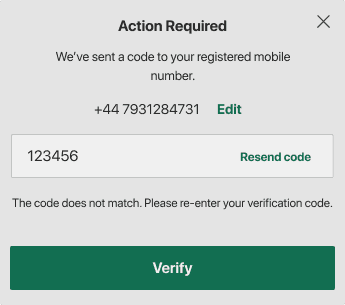
Designed a risk-triggered step-up verification experience that supports compliance, while minimising disruption for legitimate users.
Designed a risk-triggered step-up verification experience that supports compliance, while minimising disruption for legitimate users.
Primary UX/UI designer on the flow, working with project management and
development teams.
Primary UX/UI designer on the flow, working with project management and development teams, with design review/support from a senior designer.
Primary UX/UI designer on the flow, working with project management and development teams, with design review/support from a senior designer.
Reducing friction in high-risk verification moments
Reducing friction in high-risk verification moments
The Challenge
The Challenge
Risk-based triggers were required to protect against suspicious activity, Legitimate users were being interrupted during key actions, creating unnecessary friction and potential drop-off while still needing to meet strict compliance requirements.

Repeated Risk Triggers



Repeated Risk Triggers

No existing verification
1
2
3
4
5
6
7
If (riskTriggerDetected) {
restrictAcces(){
owner = msg.sender;
}
return;}
My Approach
Designing Frictionless Step-Up Verification
Designing Frictionless Step-Up Verification
I executed a multi-phased strategy to integrate secure, low-friction authentication into the existing risk ecosystem. My focus was on transforming complex verification triggers into a streamlined, cross-platform journey that honors strict regulatory standards while prioritising user speed.
I executed a multi-phased strategy to integrate secure, low-friction authentication into the existing risk ecosystem. My focus was on transforming complex verification triggers into a streamlined, cross-platform journey that honors strict regulatory standards while prioritising user speed.

Audit
Analysed risk-trigger flows to map friction points.
Audit
Analysed risk-trigger flows to map friction points.

Align
Partnered with compliance and engineering to align third-party verification logic with existing UI patterns.
Align
Partnered with compliance and engineering to align third-party verification logic with existing UI patterns.

Design
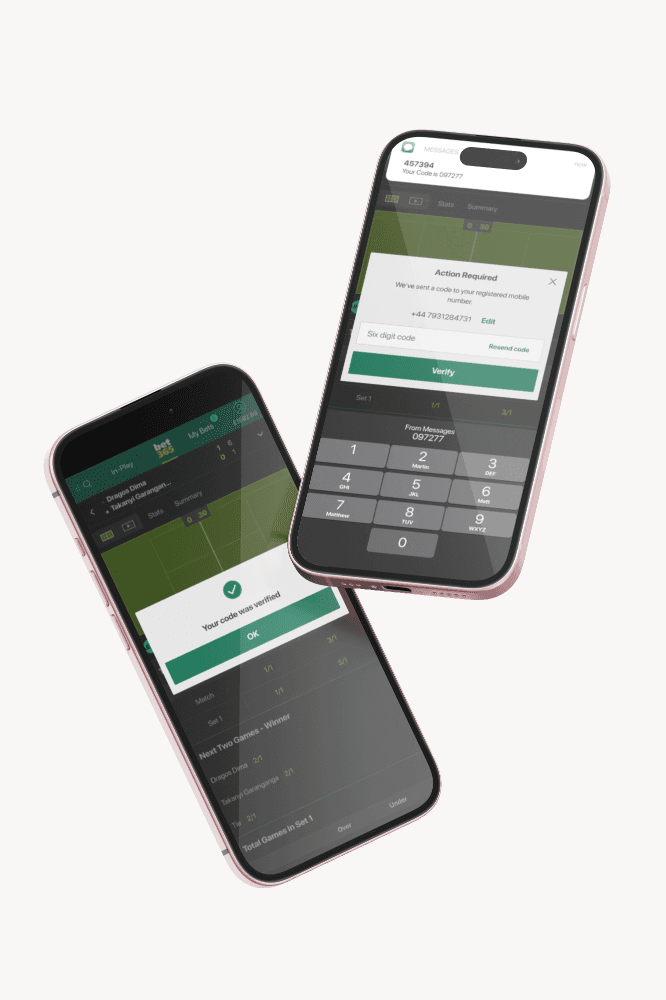
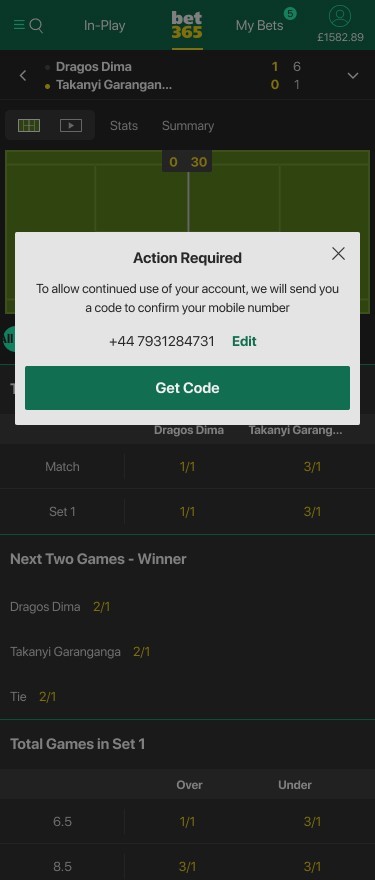
Built a modular modal for OTP, age, address, and selfie checks with clear progression logic.
Design
Built a modular modal for OTP, age, address, and selfie checks with clear progression logic.

Deploy
Resolved critical edge cases, like failed attempts and timeouts, before delivering finalised hand-off assets.
Deploy
Resolved critical edge cases, like failed attempts and timeouts, before delivering finalised hand-off assets.
Mapping the User Journey
User Architecture
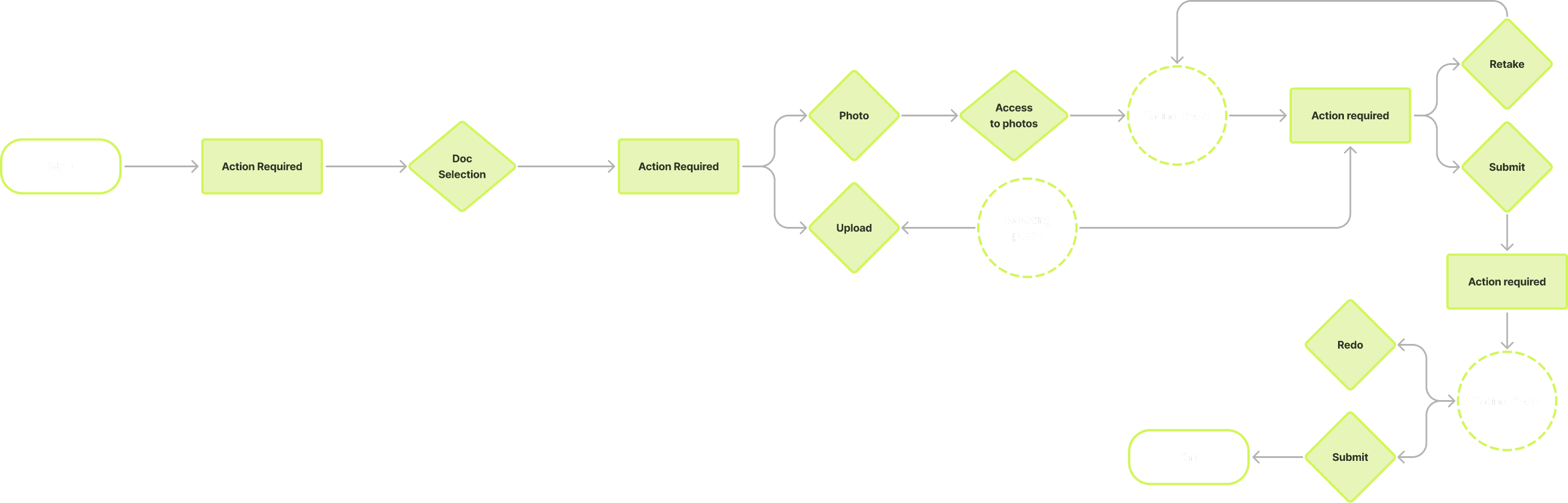
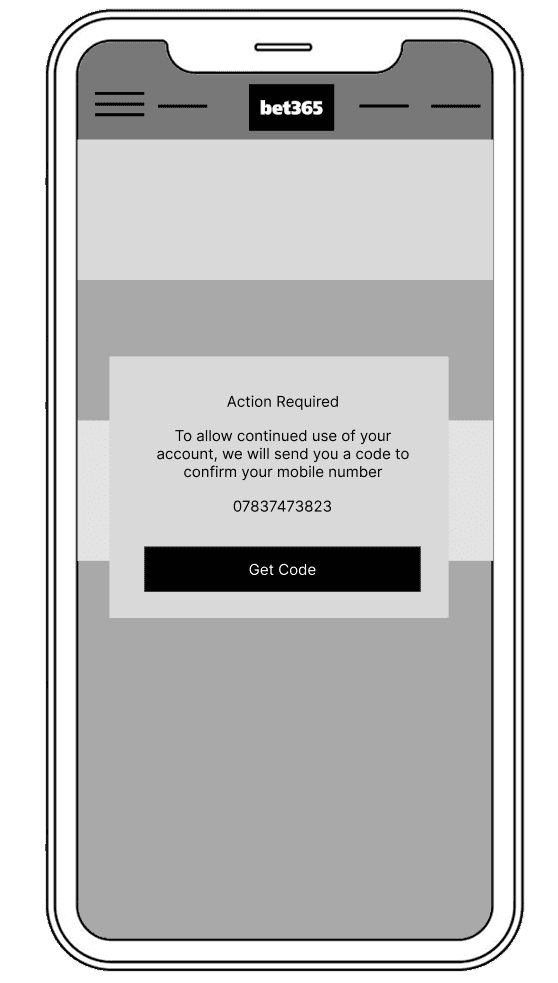
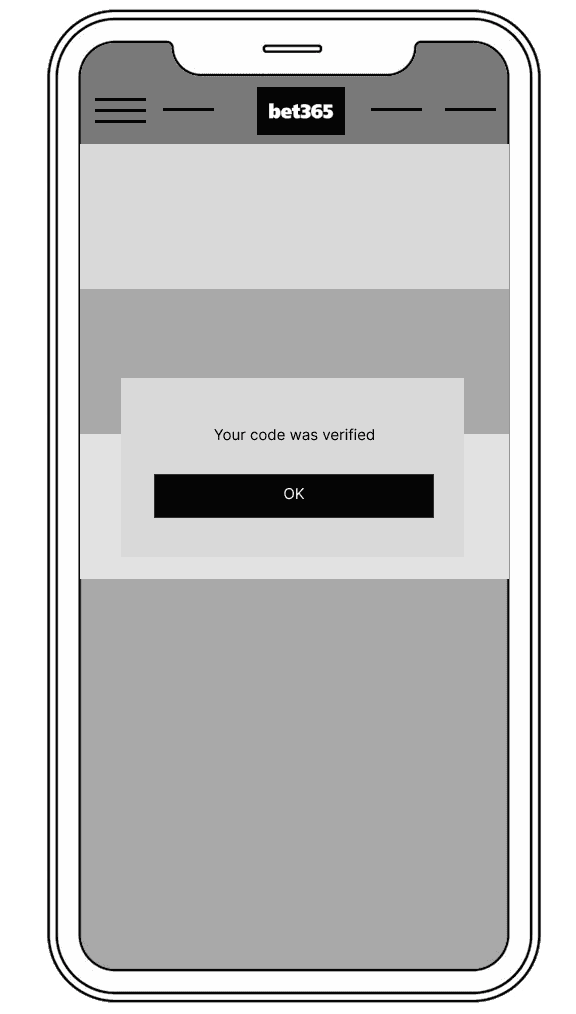
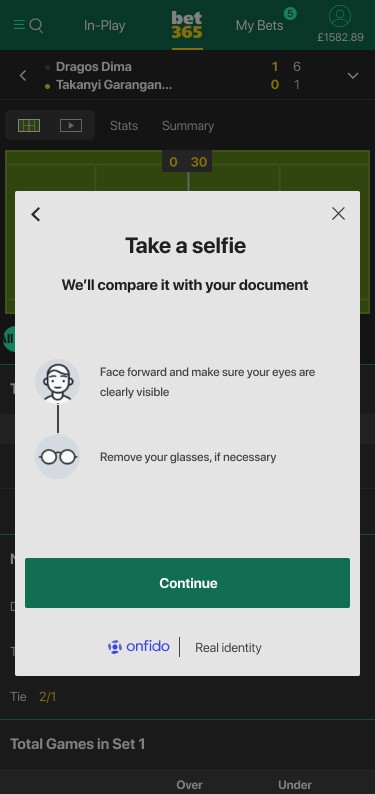
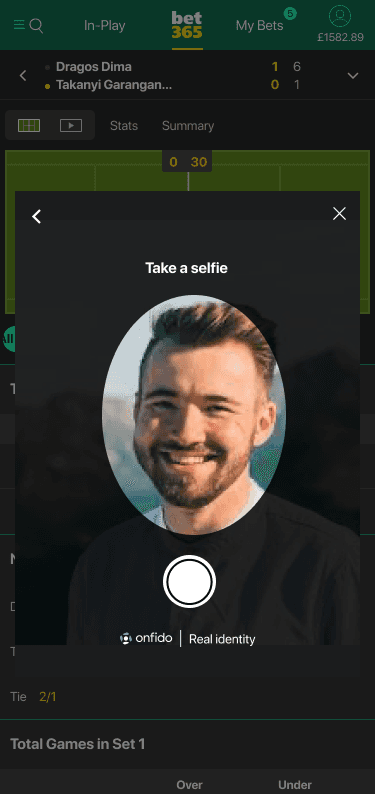
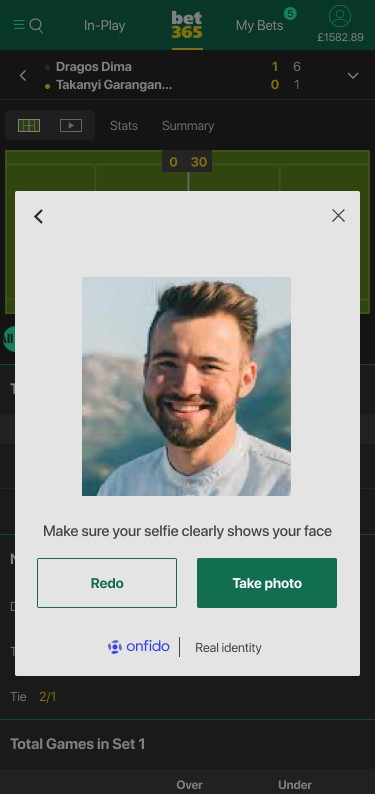
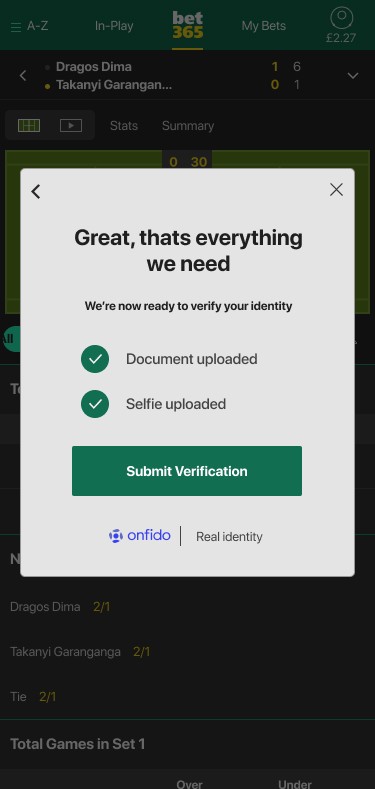
To maintain high conversion during a security intercept, the flow breaks down compliance into three quick phases: mobile OTP, document upload, and a biometric selfie capture. This frictionless progression satisfies strict regulations while heavily mitigating user drop-off.
OTP Verification

Age and Address Verification

Selfie Verification
OTP Verification
Age and Address Verification
Selfie Verification
Wireframe Concepts
Wireframe Concepts
Layout Ideation
Layout Ideation
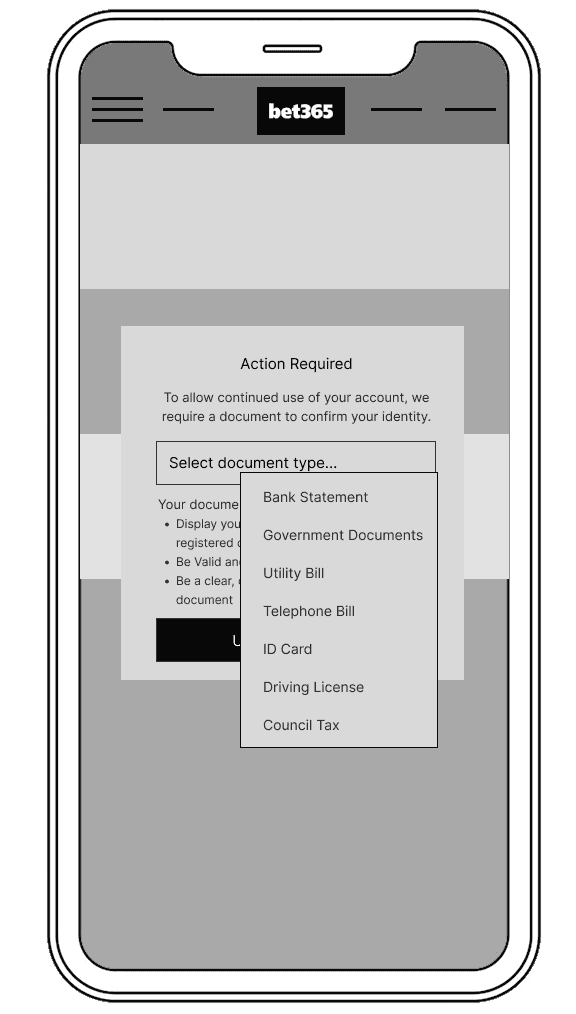
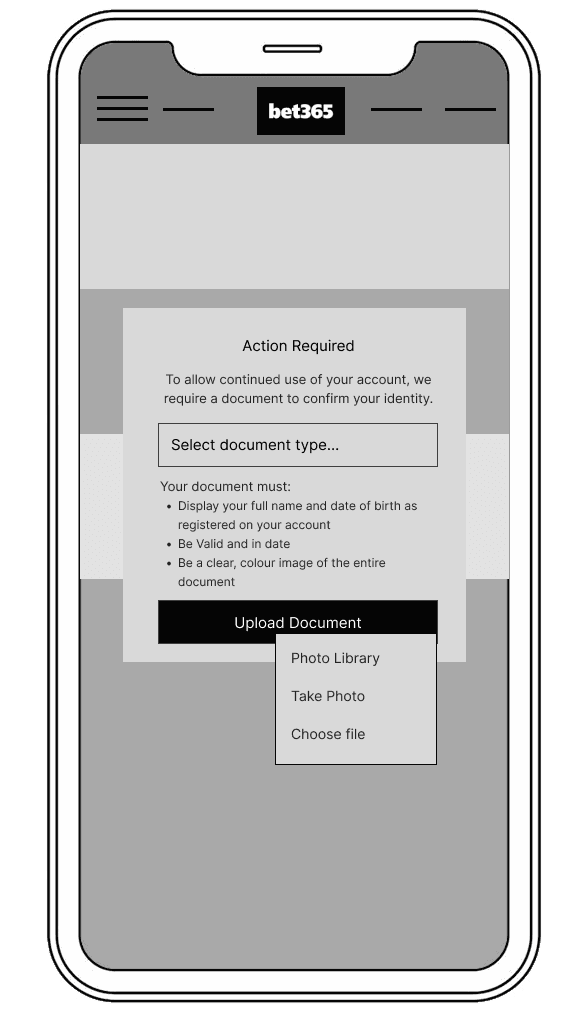
Low-fidelity mobile concepts used to rapidly map layout visual hierarchy, optimize modal micro-copy, and validate interactive steps before transitioning into high-fidelity UI production.
Low-fidelity mobile concepts used to rapidly map layout visual hierarchy, optimize modal micro-copy, and validate interactive steps before transitioning into high-fidelity UI production.
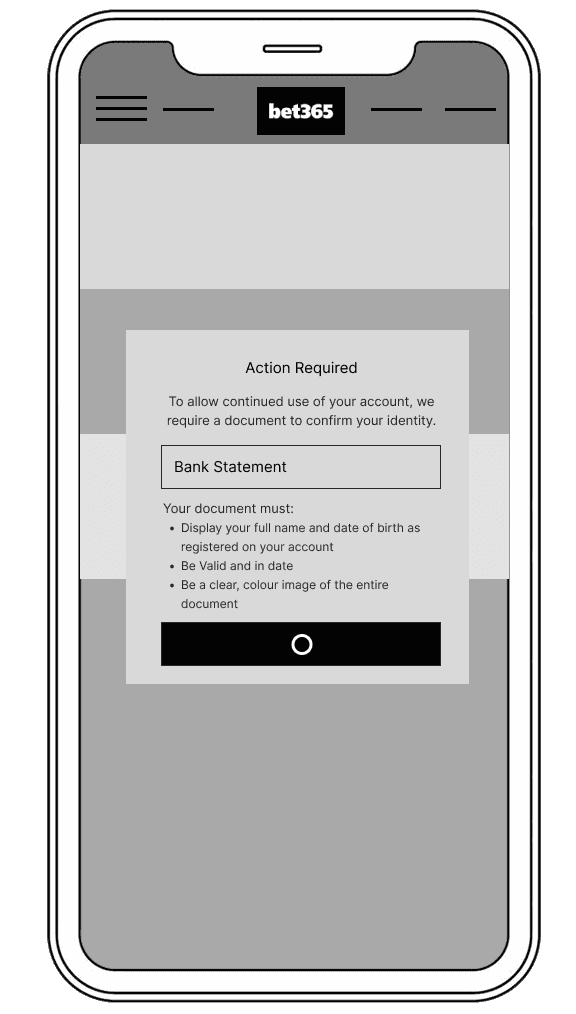
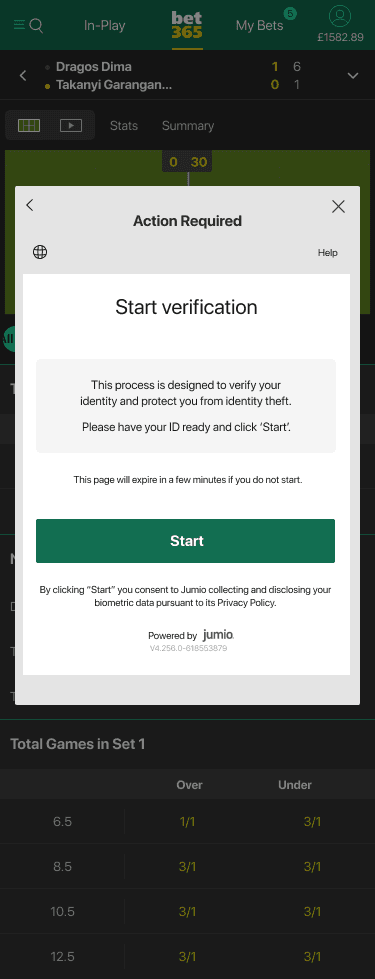
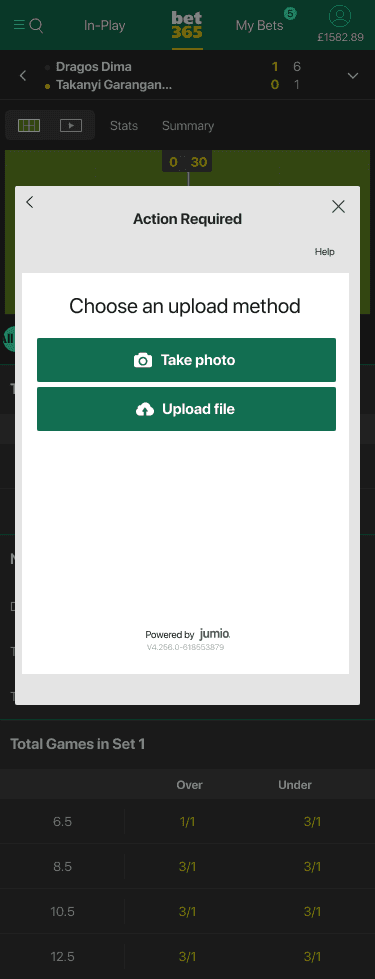
Custom 3rd Party UI
Flow Logic
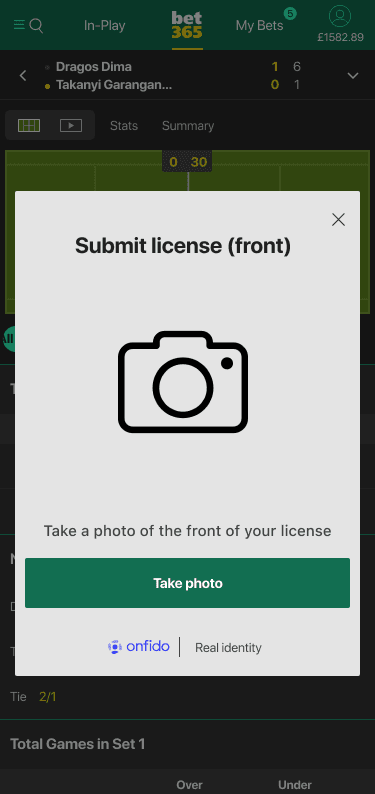
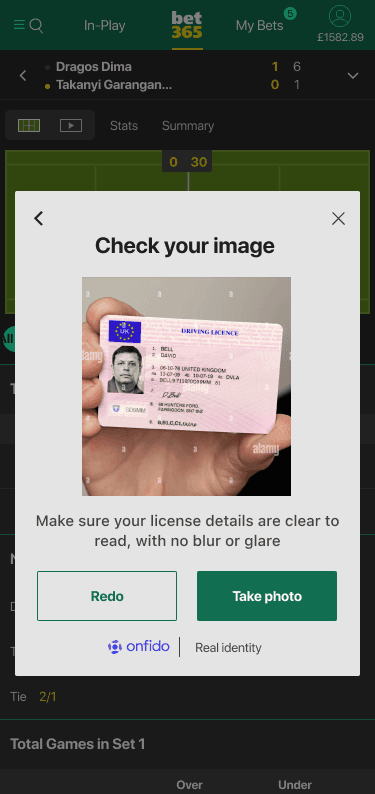
I customised the third-party verification screens to perfectly match the bet365 visual identity. By styling the workflows and components natively, we turned a jarring compliance check into a fluid experience that minimises user drop-off.
Key UX UI Decisions
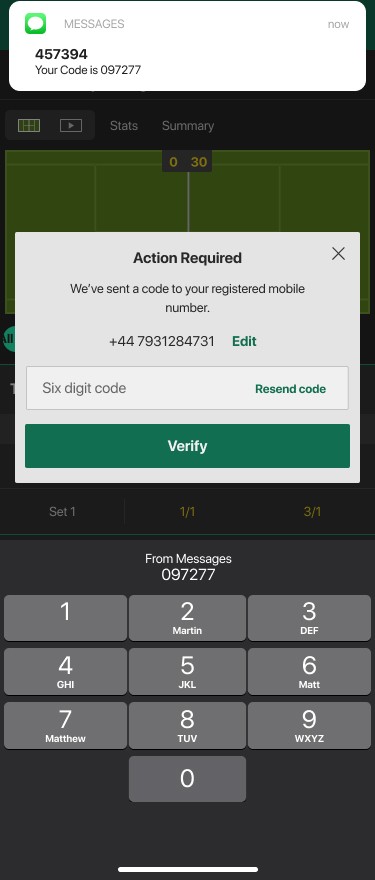
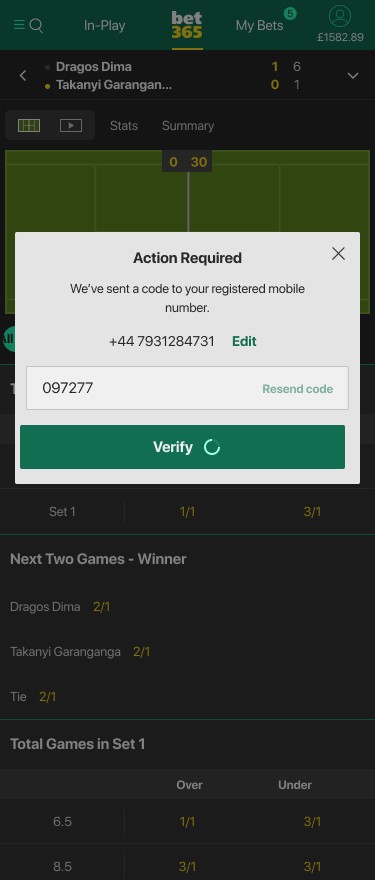
Guided Verification
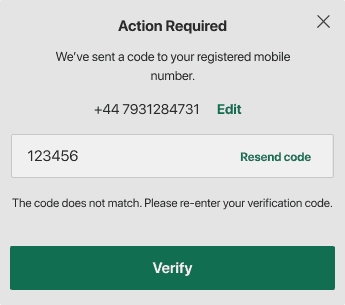
Designed a predictable, low-friction experience that guides users smoothly from request to confirmation. Built with defensive UI patterns, the component seamlessly handles network delays, resend timers, and input errors in-app.
Key UX UI Decisions
Balancing Business Rules & UX
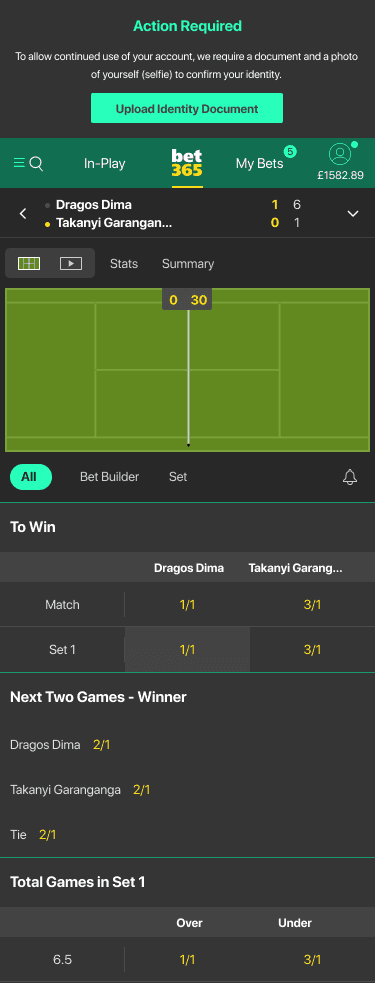
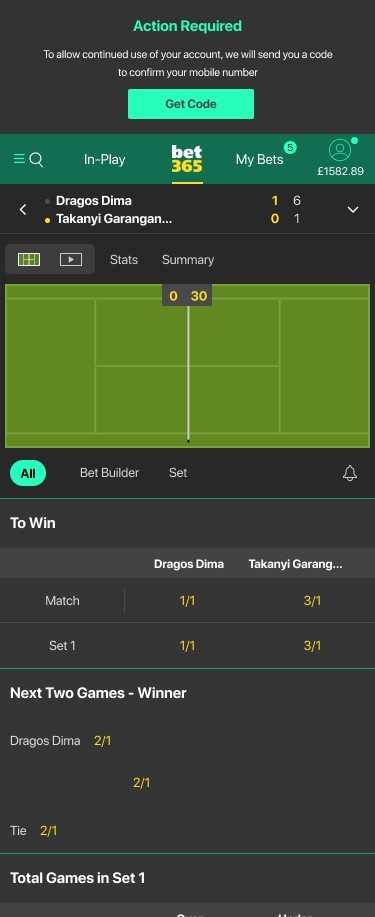
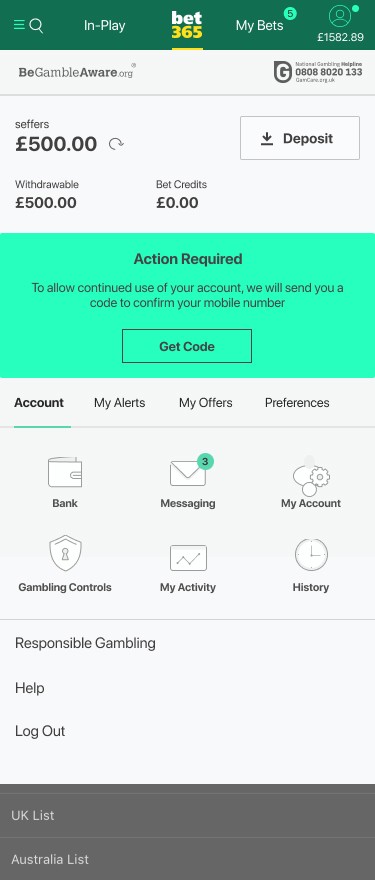
Stakeholders initially proposed a mandatory, hard-blocking verification modal. Based on testing, I recommended against this because it heavily disrupted time-sensitive live sessions.
I instead proposed a dismissible modal (
X) paired with warning banners. This met compliance by restricting key wallet functions while allowing users to finish their immediate tasks without friction.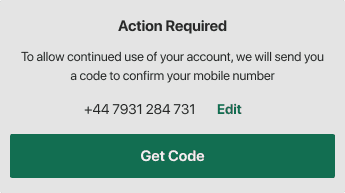
Key UX UI Decisions
Clear Requirements, Minimal Friction
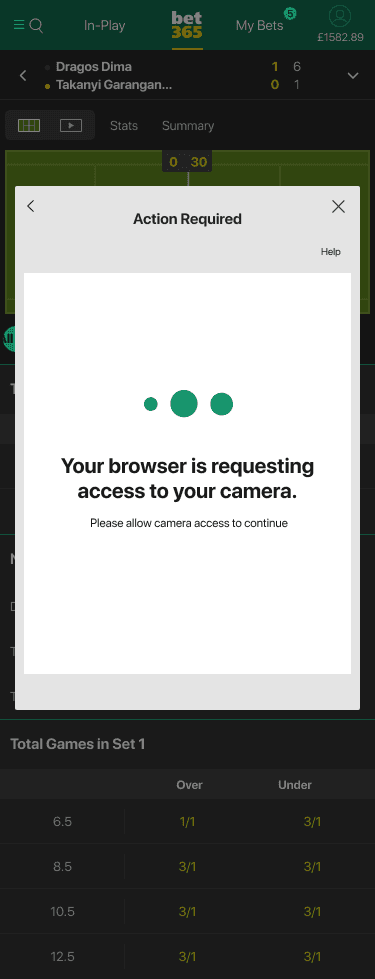
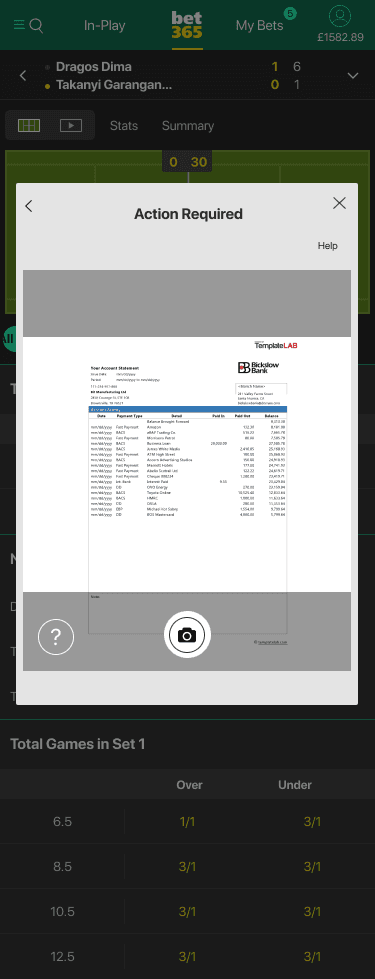
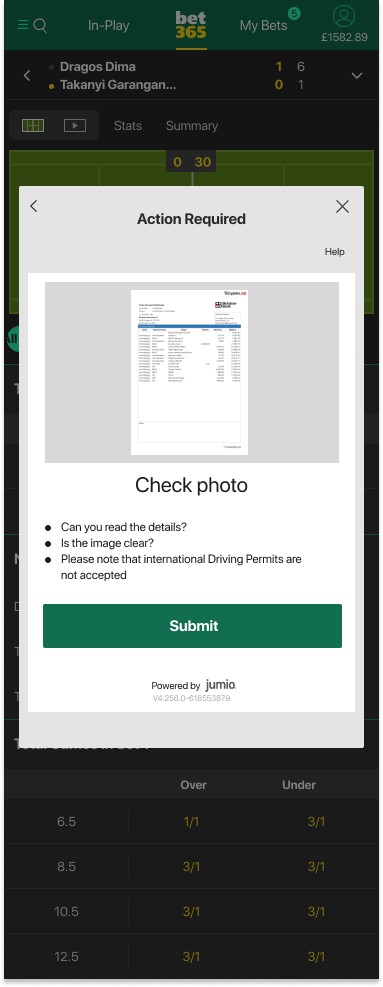
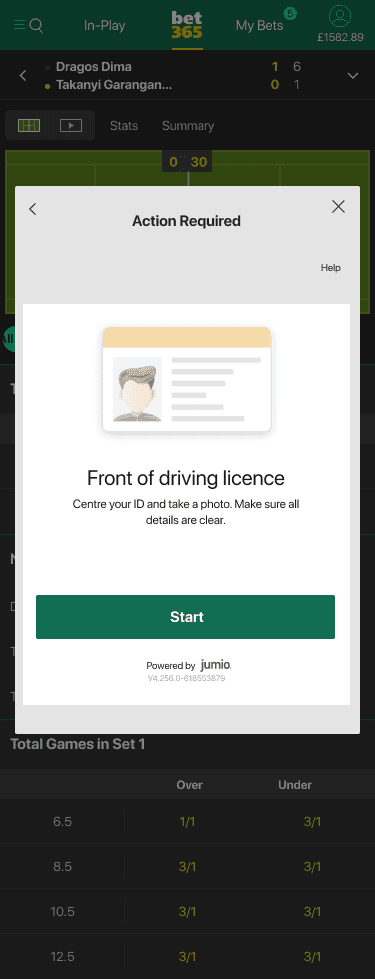
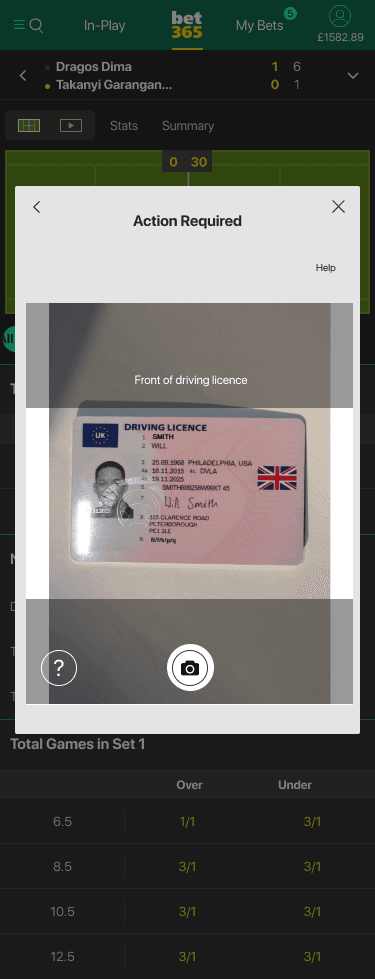
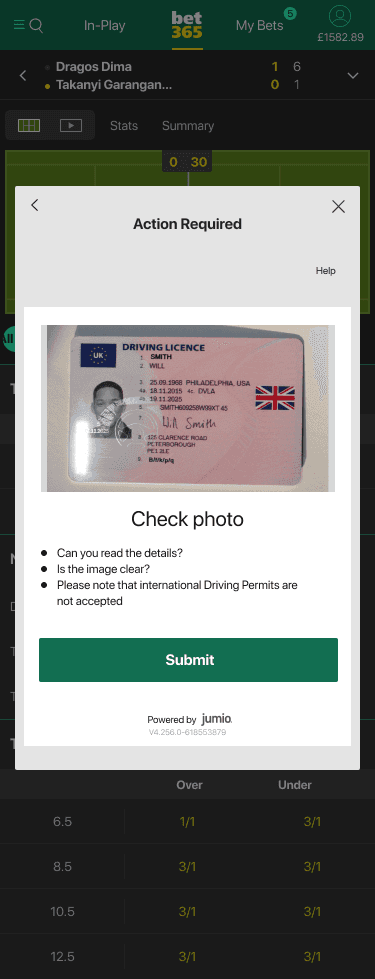
Introduced calm, concise microcopy that clearly explains the specific identity and residential address requirements. By managing expectations upfront, the interface ensures users remain oriented, confident, and clear on exactly what documentation is required for successful submission.

Key UX UI Decisions
Strategic Third-Party Integration
Utilised an established third-party verification partner already trusted and deployed across the company’s existing tech stack. Relying on their proven, secure backend engine significantly reduced engineering overhead for our internal teams. This efficiency allowed us to focus entirely on crafting a seamless, native front-end experience that perfectly aligns with bet365’s existing UI patterns.
Key UX UI Decisions
Guided Verification
Designed a predictable, low-friction experience that guides users smoothly from request to confirmation. Built with defensive UI patterns, the component seamlessly handles network delays, resend timers, and input errors in-app.
Key UX UI Decisions
Balancing Business Rules & UX
Stakeholders initially proposed a mandatory, hard-blocking verification modal. Based on testing, I recommended against this because it heavily disrupted time-sensitive live sessions.I instead proposed a dismissible modal (X) paired with warning banners. This met compliance by restricting key wallet functions while allowing users to finish their immediate tasks without friction.
Key UX UI Decisions
Clear Requirements, Minimal Friction
Introduced calm, concise microcopy that clearly explains the specific identity and residential address requirements. By managing expectations upfront, the interface ensures users remain oriented, confident, and clear on exactly what documentation is required for successful submission.
Key UX UI Decisions
Strategic Third-Party Integration
Utilised an established third-party verification partner already trusted and deployed across the company’s existing tech stack. Relying on their proven, secure backend engine significantly reduced engineering overhead for our internal teams. This efficiency allowed us to focus entirely on crafting a seamless, native front-end experience that perfectly aligns with bet365’s existing UI patterns.
Key UX UI Decisions
Guided Verification
Designed a predictable, low-friction experience that guides users smoothly from request to confirmation. Built with defensive UI patterns, the component seamlessly handles network delays, resend timers, and input errors in-app.
Key UX UI Decisions
Balancing Business Rules & UX
Stakeholders initially proposed a mandatory, hard-blocking verification modal. Based on testing, I recommended against this because it heavily disrupted time-sensitive live sessions.
I instead proposed a dismissible modal (
X) paired with warning banners. This met compliance by restricting key wallet functions while allowing users to finish their immediate tasks without friction.Key UX UI Decisions
Clear Requirements, Minimal Friction
Introduced calm, concise microcopy that clearly explains the specific identity and residential address requirements. By managing expectations upfront, the interface ensures users remain oriented, confident, and clear on exactly what documentation is required for successful submission.
Key UX UI Decisions
Strategic Third-Party Integration
Utilised an established third-party verification partner already trusted and deployed across the company’s existing tech stack. Relying on their proven, secure backend engine significantly reduced engineering overhead for our internal teams. This efficiency allowed us to focus entirely on crafting a seamless, native front-end experience that perfectly aligns with bet365’s existing UI patterns.


Contextual UI Styling
Contextual UI Styling
Flow Logic
Flow Logic
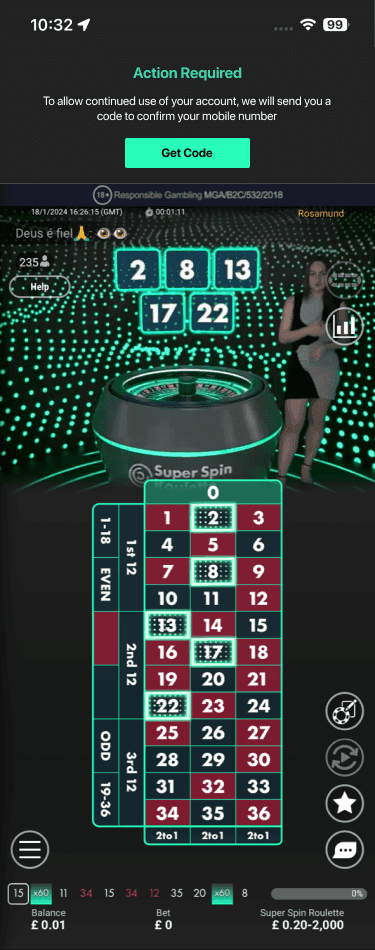
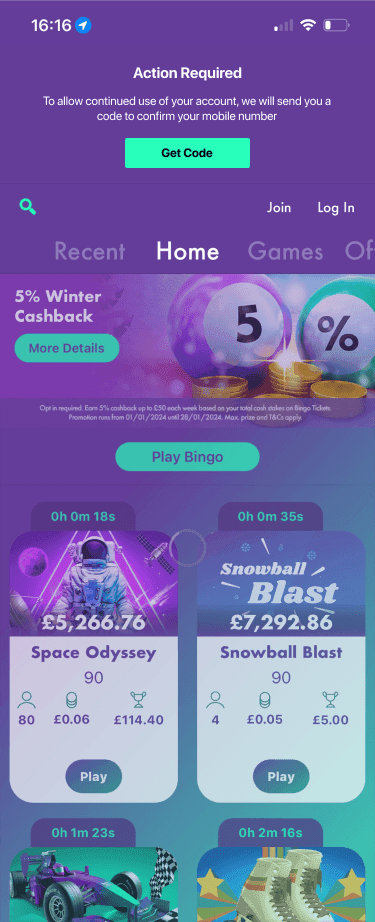
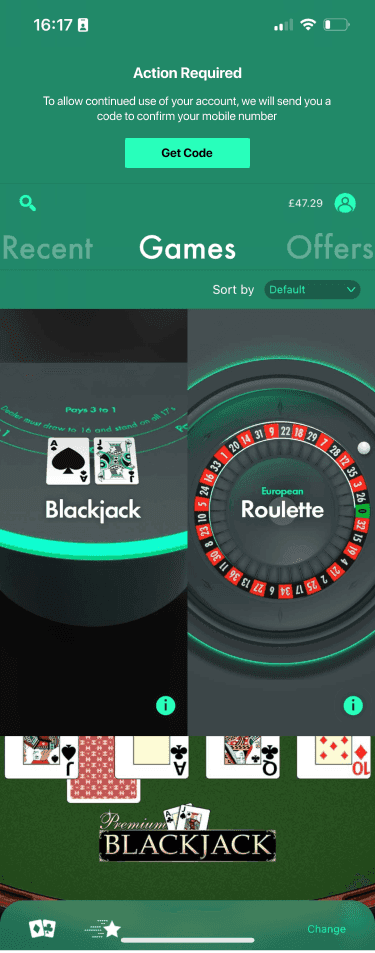
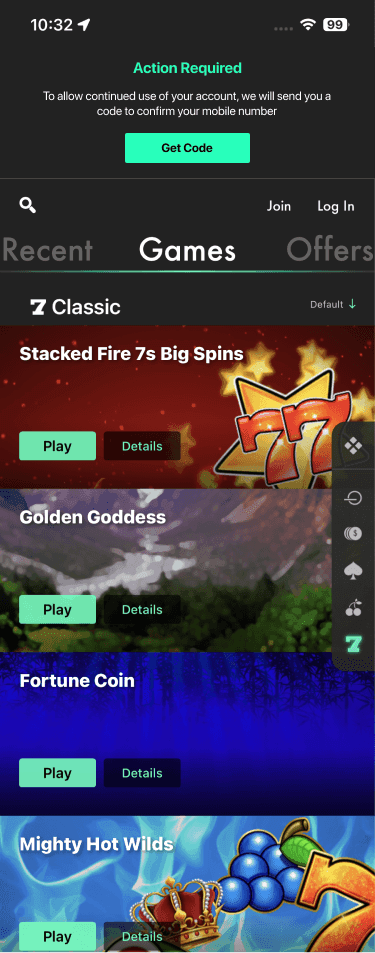
To maintain continuity, I designed the layout to dynamically inherit the distinct visual styles of different gaming products, like Bingo and Roulette. The interface adapts natively to each specific theme rather than defaulting to the main sports aesthetic.
To maintain continuity, I designed the layout to dynamically inherit the distinct visual styles of different gaming products, like Bingo and Roulette. The interface adapts natively to each specific theme rather than defaulting to the main sports aesthetic.
Step-Up Verification
Step-Up Verification
Impact & Delivery
Impact & Delivery
Impact & Delivery
The step-up verification flow successfully met all compliance and regulatory requirements without compromising the experience for legitimate users, a balance that is notoriously difficult to strike in high-risk product environments.
By replacing a disruptive, one-size-fits-all security block with a contextually triggered, phased verification journey,
the product became a meaningful line of defence against suspicious and fraudulent activity while ensuring genuine users experienced minimal interruption during live sessions.
The decision to style third-party verification screens natively, rather than route users out of the product, meant the compliance intercept felt seamless and on-brand rather than jarring.
Stakeholders and compliance teams signed off with confidence, and the design has remained in production ever since a strong signal that it held up under real-world pressure across a large-scale, security-sensitive platform.
The step-up verification flow successfully met all compliance and regulatory requirements without compromising the experience for legitimate users — a balance that is notoriously difficult to strike in high-risk product environments.
By replacing a disruptive, one-size-fits-all security block with a contextually triggered, phased verification journey, the product became a meaningful line of defence against suspicious and fraudulent activity — while ensuring genuine users experienced minimal interruption during live sessions.
The decision to style third-party verification screens natively, rather than route users out of the product, meant the compliance intercept felt seamless and on-brand rather than jarring. Stakeholders and compliance teams signed off with confidence, and the design has remained in production ever since — a strong signal that it held up under real-world pressure across a large-scale, security-sensitive platform.